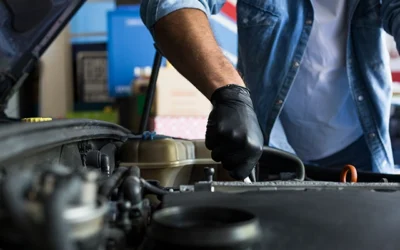
Roadside emergencies can happen to any driver, whether due to a flat tyre, a dead battery, or an unexpected mechanical issue. While some situations are unavoidable, many can be prevented with regular maintenance and smart driving habits. In this guide, we’ll cover some of the most common roadside emergencies and how to reduce the risk of them happening to you.
1. Flat Tyres
A punctured or blown tyre is one of the most frequent roadside issues. To minimise the risk:
- Check your tyre pressure regularly and ensure they’re inflated to the correct level.
- Inspect your tyres for wear and replace them when the tread becomes too low.
- Avoid potholes and debris on the road that could cause damage.
- Always carry a spare tyre and make sure your jack and lug wrench are in good working order.
Find out what to do if you get a flat tyre on the road.
2. Dead Battery
Car batteries typically last between 3-5 years, but extreme temperatures, leaving lights on, or frequent short trips can shorten their lifespan. Prevent battery failure by:
- Checking battery terminals for corrosion and cleaning them if necessary.
- Testing your battery regularly to ensure it’s holding a charge.
- Avoiding draining the battery by leaving headlights or interior lights on when the engine is off.
If you do experience a dead battery, having jumper cables or a portable battery charger in your car can be a lifesaver.
3. Running Out of Fuel
Although modern cars have fuel indicators and low-fuel warnings, running out of petrol is still a common issue. To prevent this:
- Refuel when your tank reaches a quarter full, especially on long journeys.
- Plan your route ahead of time and take note of fuel stations along the way.
- If you’re in an unfamiliar area, avoid waiting until the last minute to fill up.
4. Overheating Engine
An overheating engine can be caused by low coolant levels, a faulty radiator, or extreme weather conditions. Reduce the risk by:
- Regularly checking coolant levels and topping up when necessary.
- Keeping an eye on the temperature gauge, especially during long trips.
- Pulling over and letting the engine cool down if you notice steam coming from the bonnet.
Discover other common roadside emergencies and how to handle them.
5. Locked Out of Your Car
Locking your keys inside your car can be frustrating, but it happens more often than you’d think. To avoid this:
- Always check for your keys before closing the doors.
- Keep a spare key with a trusted friend or family member.
- Consider investing in a keyless entry system if your car supports it.
6. Brake Failure
While brake failures are rare, they can be extremely dangerous. Warning signs include a spongy brake pedal, unusual noises, or reduced braking power. To stay safe:
- Have your brakes checked regularly and replace worn brake pads.
- Be aware of any changes in braking performance and get them inspected immediately.
- If your brakes fail while driving, pump the brake pedal, downshift to a lower gear, and use the handbrake carefully.
7. Engine Stalling
A stalling engine can be caused by fuel system issues, electrical faults, or a failing alternator. Reduce the likelihood of breakdowns by:
- Keeping up with regular servicing and oil changes.
- Replacing worn-out spark plugs and checking the fuel system for leaks.
- Avoiding driving with low fuel levels, as this can cause dirt and debris to clog the fuel filter.
Read more about the most common roadside emergencies and how to stay prepared.
Final Thoughts
While some roadside emergencies are unavoidable, many can be prevented with proper car maintenance and careful driving habits. Make sure you’re always prepared by keeping an emergency kit in your car, including a spare tyre, jumper cables, and essential tools. Staying proactive can help you avoid unnecessary breakdowns and keep your journeys smooth and stress-free.
For more expert tips, check out: