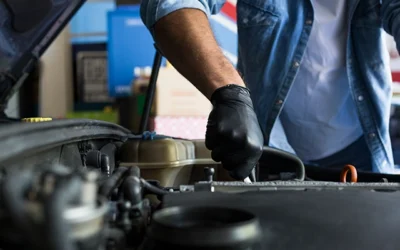
Keep an Eye on Your Vehicle Before Small Issues Become Bigger Problems
Knowing your vehicle’s normal behaviour can make it easier to recognise when something has changed. Regular checks can reveal potential issues before they develop further, while proper cooling-system maintenance helps protect the engine from excessive heat.
Whether you’re heading into daily traffic, preparing for a road trip, or simply keeping your vehicle running smoothly, basic checks can give you a better idea of what is happening under the bonnet.
From monitoring fluid levels to watching the temperature gauge, making vehicle checks part of your routine can help you spot potential problems and deal with them sooner.
Pay Attention to the Signs
Your vehicle can often give you an indication that something isn’t quite right before a serious fault develops. Changes in sound, smell, performance, or the way the vehicle feels should not simply be dismissed.
Dashboard warning lights are another useful source of information. A warning appearing doesn’t necessarily mean an immediate breakdown, but it does mean something deserves your attention.
AAA Club Alliance’s vehicle warning guide explains that unusual sounds, smells, sights, and changes in the way a vehicle drives can all provide clues that maintenance may be required.
Things worth keeping an eye out for include:
- Strange or unfamiliar engine sounds
- New dashboard warning lights
- An engine running hotter than usual
- Puddles or fluid beneath the vehicle
- Unusual smells from the engine bay
- Changes in handling or performance
- Difficulty starting or running normally
Getting familiar with these signs can make it easier to recognise when your vehicle needs a closer inspection.
Give Your Vehicle a Quick Check
You don’t need specialist knowledge to carry out a basic visual inspection. Looking over a few key areas regularly can help you notice changes that might otherwise go unnoticed.
It’s especially worthwhile before setting off on a longer journey. Checking your tyres, fluid levels, and the general condition of the vehicle can help you identify something that needs attention before you leave.
The National Highway Traffic Safety Administration (NHTSA) recommends checking fluid levels and looking for leaks as part of basic vehicle preparation and maintenance.
A regular check can help you:
- Notice leaks before they worsen
- Pick up visible damage or wear
- Keep track of important fluid levels
- Recognise changes in performance
- Prepare for longer journeys
- Know when your vehicle needs professional attention
Making these checks a habit can give you greater awareness of your vehicle and its condition.
Keep Your Engine Cool
The cooling system has an important job: helping control the temperature produced by the engine while it is running.
Coolant carries heat away from the engine, allowing the system to maintain an appropriate operating temperature. When coolant is low or another part of the cooling system isn’t working correctly, the engine can become too hot.
Firestone Complete Auto Care’s cooling-system guidance identifies several possible warning signs of cooling-system problems, including a rising temperature gauge, coolant leaks, unusual coolant smells, and steam coming from beneath the bonnet.
Watch for signs such as:
- The temperature gauge climbing higher than usual
- Coolant levels that repeatedly fall
- Patches of fluid beneath the vehicle
- A sweet smell around the engine
- Steam coming from under the bonnet
- A temperature-related warning light
- A noticeable change in engine performance
Overheating should never be treated as something to simply drive through. Continuing to operate an overheated engine can result in significant damage.
Check More Than Just the Coolant
Maintaining the cooling system involves more than simply topping up the reservoir.
Different vehicles require different types of coolant and have specific maintenance recommendations, so always follow the vehicle manufacturer’s guidance.
Several components work together within the cooling system, including the:
- Radiator
- Hoses
- Thermostat
- Water pump
- Cooling fans
A fault in one of these areas can affect the system’s ability to regulate engine temperature.
AAA Automotive’s information on overheating explains that problems involving components such as the radiator, thermostat, water pump, and cooling fans can contribute to an overheating engine.
When checking the cooling system, consider:
- Whether the coolant level is within the recommended range
- Whether there are visible signs of leakage
- The condition of accessible hoses and connections
- Whether the engine is consistently running at its normal temperature
- Any changes in the temperature gauge
- Whether unusual smells or steam are present
Never remove a coolant cap while the engine is hot. A cooling system can remain under pressure after the vehicle has been switched off, so allow the engine to cool before carrying out any checks.
Don’t Dismiss an Overheating Engine
Your temperature gauge provides an easy way to monitor what is happening while you’re driving.
If it suddenly rises above its usual position, or a temperature warning appears on the dashboard, take it seriously. Steam, unusual smells, or a loss of performance can also indicate that the engine is struggling to stay within its normal temperature range.
If your vehicle starts overheating, find a safe place to stop and switch off the engine. Give it time to cool down and arrange professional assistance if you cannot identify or safely resolve the cause.
Reacting early can help prevent a cooling-system fault from developing into more extensive engine damage.
A Few Minutes Can Save You Trouble
Looking after your vehicle doesn’t require you to be a mechanic. What matters is becoming familiar with how your vehicle normally sounds, feels, and performs.
Keep an eye on the temperature gauge, fluid levels, warning lights, tyres, and anything that looks or feels unusual. These simple observations can help you recognise changes and decide when further inspection is needed.
Regular servicing should remain an important part of vehicle ownership, while simple checks between services can help you stay more aware of what is happening with your vehicle.
Taking a little time to check your vehicle can make a big difference when it comes to staying ready for the road.
Keep Your Vehicle Ready with Naskar
Whether you need cooling-system components, fluids, replacement parts, maintenance products, or everyday automotive essentials, Naskar can help you find the products you need to look after your vehicle.
With practical products for maintenance, repairs, and everyday vehicle care, Naskar makes it easier to stay on top of the jobs that help keep your vehicle road-ready.
Know your vehicle. Check it regularly. Keep moving.